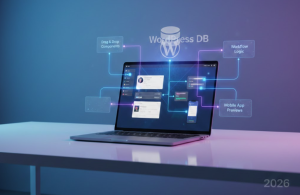

In an era where agility and speed dictate success, the realm of app development is witnessing an unprecedented transformation. Imagine building sophisticated, scalable applications without the painstaking intricacies of traditional coding.
As businesses strive to keep pace with digital innovation, no-code tools emerge as the unsung heroes, empowering both tech novices and seasoned professionals to craft robust applications effortlessly. With projections indicating a surge in their adoption by 2026, understanding the future landscape of these platforms is no longer a luxury, it’s a necessity.
The evolution of no-code tools represents a paradigm shift in how we envision technology’s role in fueling business growth and creativity. Gone are the days when developing an app demanded extensive coding prowess or hefty investments in IT infrastructure.
These revolutionary platforms democratize development, enabling you to focus more on strategic innovation rather than getting bogged down in technical details. As we explore the top five no-code tools poised to redefine app development in 2026, prepare to discover a world where your ideas can swiftly transition from conception to reality, paving the way for endless possibilities.
Comparison Table:
When it comes to leveraging no-code tools for building scalable apps faster in 2026, it’s crucial to choose the right platform that aligns with your project requirements. Let’s compare the key features of some popular no-code tools to help you make an informed decision.
| Tool | Platform | Learning Curve | Best For… | “Smart” Integration |
| FlutterFlow | Mobile (iOS/Android) | Medium | Consumer Apps | WordPress via REST API |
| Bubble | Web | High | Complex SaaS | Built-in DB |
| Softr | Web/Portal | Low | Client Portals | Airtable/WP Sync |
| WeWeb | Web (Headless) | Medium/High | SEO-heavy Apps | Xano/Supabase/WP |
| Glide | Mobile/Web | Low | Internal Tools | Google Sheets/SQL |
Each no-code tool offers unique features and functionalities tailored to specific project needs. By understanding the platform, learning curve, target use cases, and integration capabilities of these tools, you can streamline your app development process and achieve scalability without delving into complex code structures. Choose wisely based on your project scope and requirements to expedite the app development cycle using these powerful no-code tools.
1. FlutterFlow: The Reigning King of Native Mobile Apps
FlutterFlow is undoubtedly the reigning king of native mobile apps in 2026, offering a groundbreaking solution for building high-performance iOS and Android applications. Its appeal lies in the fact that it leverages the same engine used by Google, ensuring top-notch quality and functionality for app developers.
One of the key reasons why FlutterFlow stands out as a “smart” choice among no-code tools is its ability to generate actual Flutter code in the background. This feature not only streamlines the app development process but also ensures that if the need arises for traditional coding, developers can seamlessly take over without having to start from scratch.
Looking ahead to 2026, FlutterFlow introduces a game-changing feature: AI Gen-UI. With this innovative tool, users can simply describe the interface they want, and FlutterFlow will autonomously build the layout and connect the necessary APIs. This advancement not only saves time but also opens up new possibilities for creativity and customization in app design.
For those looking to integrate FlutterFlow into their existing ecosystem, the WordPress Connection offers a seamless solution. By using FlutterFlow as the frontend and SmartPHP (WordPress) as the backend database, developers can create a powerful and dynamic app with ease. This integration not only enhances functionality but also provides a flexible and scalable foundation for app development.
In conclusion, FlutterFlow emerges as a top choice among the top 5 no-code tools to build scalable apps faster in 2026. Its combination of cutting-edge technology, user-friendly interface, and seamless integrations make it a standout option for developers looking to create high-quality native mobile applications efficiently.
2. Bubble: The Heavyweight for Complex Web Applications
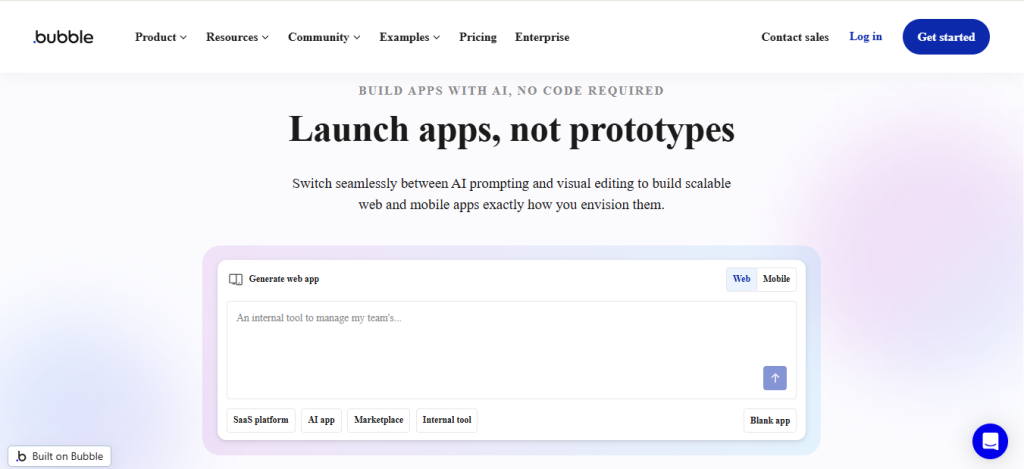
Bubble emerges as the heavyweight among no-code tools for complex web applications, boasting the most powerful logic engine in the industry. If you can conceptualize a logic flow – such as “If user does X, then change Y in the database and email Z” – Bubble has the capability to bring it to life efficiently and effectively.
In terms of scalability in 2026, Bubble has made significant strides by enhancing workload units and integrating a global CDN, effectively dispelling the misconception that Bubble is slow. These improvements position Bubble as a top contender for building scalable applications quickly and seamlessly.
This no-code tool is particularly well-suited for developing complex marketplaces like Airbnb clones or SaaS platforms that require intricate user permission structures. Bubble’s versatility shines when tackling projects that demand sophisticated logic and functionality, making it a go-to choice for developers and businesses aiming to create robust applications without extensive coding.
For those seeking to build scalable apps rapidly in 2026, Bubble stands out as a reliable and robust solution within the ever-evolving landscape of no-code tools.
3. Softr: The Speed Demon for Internal Tools & Portals
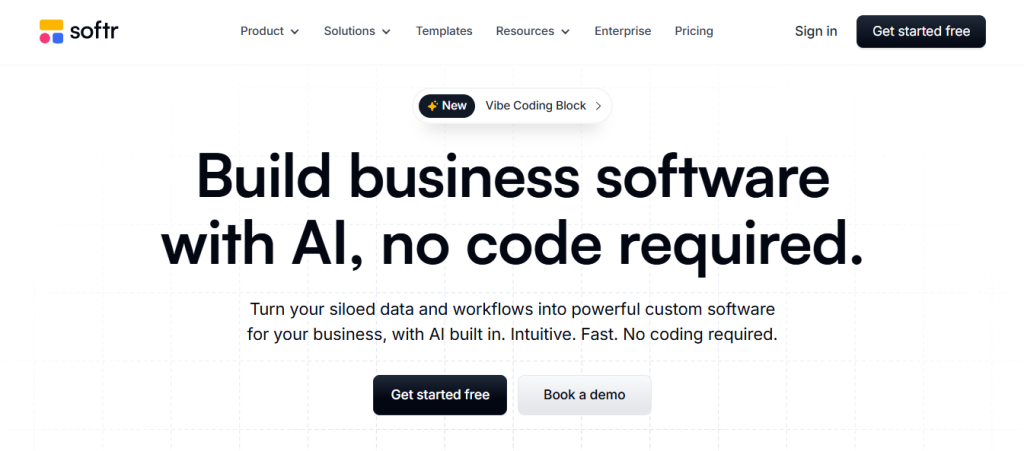
Softr is a game-changer in the realm of no-code tools, especially when it comes to internal tools and portals. Its impressive speed and efficiency make it stand out among its competitors.
One of the key highlights of Softr is its “Lego” approach, where users can leverage pre-built blocks for essential functionalities like logins, lists, and charts. This feature streamlines the app-building process, allowing users to focus on customizing rather than starting from scratch.
The smart advantage of Softr lies in its extreme speed. With this tool, transforming data from platforms like Airtable, Google Sheets, or WordPress into a fully functional app takes less than 30 minutes. This rapid turnaround time gives users a significant edge in delivering projects promptly.
Looking ahead to 2026, Softr is set to roll out a native integration with the WordPress REST API. This update enables users to create “Smart Admin” dashboards seamlessly on their WordPress site, further enhancing the tool’s versatility and functionality.
In a landscape where speed and efficiency are paramount, Softr emerges as a speed demon, empowering users to build scalable apps swiftly and effortlessly.
4. WeWeb: The “Headless” Builder for Professional Architectures
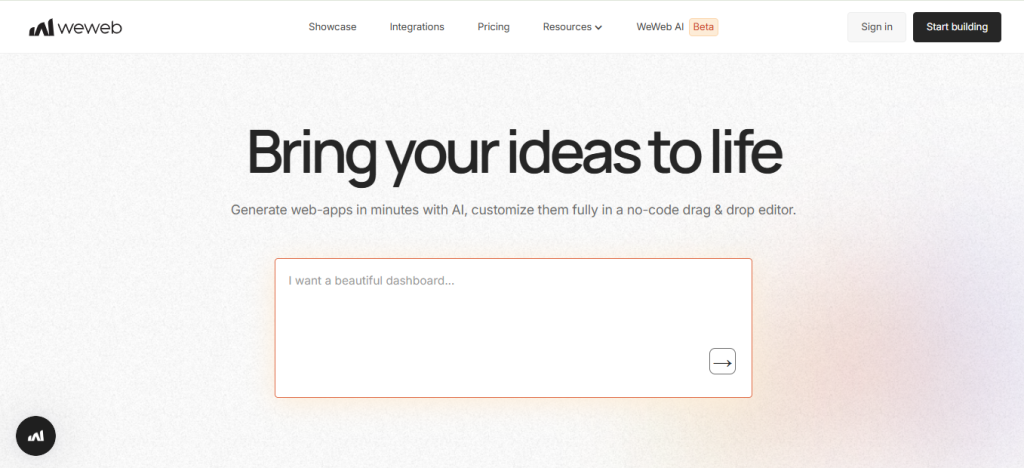
WeWeb is a game-changer in the realm of no-code tools for building professional architectures quickly and efficiently. Unlike Bubble, this innovative platform does not host your data but instead connects seamlessly to “External Brains” such as Xano, Supabase, or WordPress, ensuring a more flexible and secure setup for your projects.
One of the standout features of WeWeb is its focus on generating clean, pre-rendered code that search engines like Google prefer. This gives your projects an SEO edge, making them more discoverable and optimizing them for organic traffic. This is particularly crucial for SaaS products that heavily rely on search engine visibility to drive user engagement and conversions.
When it comes to use cases, WeWeb shines in high-traffic web applications where security and page speed are paramount. By utilizing WeWeb, developers can ensure that their apps not only perform well under heavy loads but also maintain the highest standards of security to protect user data and privacy.
In the realm of no-code tools, WeWeb stands out as a top choice for developers looking to build scalable apps quickly and effectively. Its “headless” approach separates design from the database, offering a more streamlined and efficient workflow for creating professional-grade architectures in 2026.
5. Glide: Transforming Data into Actionable Interfaces
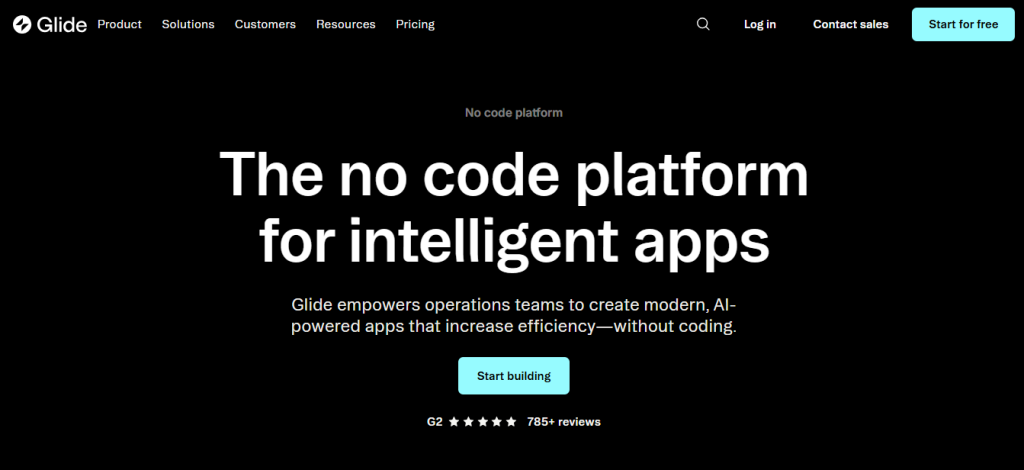
When it comes to utilizing no-code tools for building scalable apps faster in 2026, Glide stands out as a transformative platform that turns data into actionable interfaces seamlessly. One of the key highlights of Glide is its ability to create apps that exude a polished, “Apple-designed” aesthetic right from the start.
The simplicity factor of Glide is a game-changer in the app development landscape. Instead of traditional designing, Glide allows users to effortlessly map data to components, ensuring that every app created through the platform looks visually appealing. It’s virtually impossible to end up with an unattractive app when using Glide, thanks to its intuitive design approach.
Moreover, the integration of artificial intelligence within Glide opens up a world of possibilities. With Glide AI now capable of performing actions such as summarizing PDF files uploaded by users or automatically analyzing the sentiment of support tickets, the platform empowers users to enhance their apps with intelligent functionalities seamlessly.
Glide is particularly well-suited for various use cases, including inventory management, employee directories, and field-sales apps. Its versatility and user-friendly interface make it an ideal choice for businesses looking to develop efficient and visually appealing apps without the need for extensive coding.
In conclusion, Glide emerges as a top contender among the no-code tools available for building scalable apps quickly and effectively in 2026. Its emphasis on simplicity, AI integration, and suitability for a range of applications positions it as a valuable asset for businesses seeking to streamline their app development processes.
The “Smart Builder” Strategy: How to Build for 2026?
To successfully implement the “Smart Builder” strategy and build scalable apps faster in 2026 using no-code tools, it is essential to follow a structured approach. Here are some key steps to consider:
1. Start with the Database:
Why you should define your “Data Schema” before picking a tool?
Before diving into the actual development process with no-code tools, it is crucial to define your data schema. By outlining the structure of your data beforehand, you can ensure a more efficient and organized app-building process. This step is fundamental as it lays the foundation for all data-related operations within your application.
2. API-First Thinking:
Ensure your chosen tool has a robust “API Connector.”
When selecting a no-code tool for app development, prioritize those that offer a robust API connector. This feature allows seamless integration with external services and data sources, enabling your app to communicate effectively with other systems. By adopting an API-first approach, you can ensure scalability and flexibility in your app’s functionality.
3. The MVP Rule:
Don’t build for 1 million users on day one. Build for 10 users in one weekend.
Following the Minimum Viable Product (MVP) rule is key to efficient app development. Instead of aiming for perfection from the start, focus on delivering a basic version of your app that fulfills the core needs of a small user base. By launching quickly and gathering feedback early on, you can iterate and improve your app based on real user input.
By incorporating these principles into your app development process with the top 5 no-code tools, you can streamline your workflow, enhance collaboration, and accelerate the delivery of scalable apps in 2026.
Conclusion: Stop Coding, Start Composing
When it comes to building scalable apps faster in 2026, the focus has shifted from coding to composing. No-Code tools have revolutionized the way we develop applications, allowing us to launch faster and keep our data portable.
In today’s fast-paced digital landscape, efficiency is key. No-Code tools empower creators to bring their ideas to life without getting bogged down by lines of code. By leveraging these tools, developers can focus on the creative aspect of app development rather than the technical nitty-gritty.
The ultimate goal is to find the best tool that not only speeds up the development process but also ensures that your data remains portable across different platforms. This flexibility is crucial in a world where data integration plays a vital role in the success of an application.
As we embrace the shift from coding to composing, it’s essential to explore the top 5 No-Code tools that will help you build scalable apps faster in 2026. These tools are designed to streamline the app development process, allowing you to turn your ideas into reality with ease.
Are you ready to take your WordPress site to the next level and transform it into a SaaS backend? Check out our guide on How to Connect No-Code APIs to WordPress and unlock a world of possibilities. Embrace the future of app development with No-Code tools and watch your ideas come to life in record time.
No-Code Tools have revolutionized app development in recent years. Let’s dive into some common FAQs surrounding these tools:
FAQs
Yes, no-code tools are powerful enough to build production-ready apps. With drag-and-drop interfaces and pre-built templates, users can create robust applications without writing a single line of code. These tools offer a range of functionalities, from database integration to user authentication, enabling users to develop fully functional apps for various purposes.
Launching an app with no-code tools is significantly faster compared to traditional development methods. Depending on the complexity of the app and the user’s familiarity with the platform, apps can be built and launched in a matter of days or even hours. The intuitive nature of these tools streamlines the development process, allowing users to focus on the app’s functionality and design rather than coding intricacies.
Security is a top priority for any app, and no-code tools are no exception. While no-code platforms offer built-in security features such as data encryption and user access controls, it is essential for users to follow best practices in app security. By implementing proper authentication mechanisms and staying updated on security protocols, users can build secure apps with no-code tools.
No, you do not need coding skills to use no-code tools effectively. These platforms are designed for users with varying levels of technical expertise, from complete beginners to experienced developers. By leveraging visual interfaces and simplified workflows, users can create sophisticated apps without writing code. However, having a basic understanding of app development concepts can enhance the user’s ability to optimize their app’s functionality and performance.
In conclusion, no-code tools offer a user-friendly and efficient way to develop apps, empowering individuals and businesses to bring their ideas to life quickly and effectively.