

In a digital landscape where speed and efficiency are paramount, the emergence of no-code solutions has been nothing short of revolutionary. For professionals who once struggled with the complexities of traditional database management, the advent of no-code database managers is akin to discovering a secret shortcut to success. The allure of these tools lies in their ability to empower users to create, manage, and optimize databases without writing a single line of code. Imagine transforming your work processes overnight, enabling you to focus on creativity and strategic thinking rather than getting bogged down by technicalities.
The era of best no-code database managers is upon us, turning the tables for businesses and freelancers alike. These platforms not only democratize technology but also break down the barriers that once stood between innovative ideas and their execution. With intuitive interfaces and robust functionalities, no-code database managers are reshaping industries, granting unprecedented access to powerful data management tools previously reserved for tech-savvy specialists. As we delve into 2026’s front runners in this dynamic field, prepare to explore how these groundbreaking solutions can streamline your workflow, enhance productivity, and help you stay ahead in an ever-evolving digital world.
The “Smart Admin” Approach: Decoupling Your Data
In the digital landscape, the “Smart Admin” approach of decoupling your data is becoming increasingly crucial. The monolith problem, often encountered when all data is confined within WordPress tables, can lead to significant slowdowns in performance over time. By embracing a decoupled backend, you essentially separate the “Brain” (Database) from the “Body” (Frontend), thereby enhancing efficiency and scalability.
Looking ahead to 2026, the advantage of external databases is clear. They empower you to drive not just a website but also a mobile app and an AI agent from a unified source of truth. This innovative approach not only streamlines operations but also sets the stage for seamless integration and enhanced user experiences in the era of Best No-Code Database Managers.
Top 5 No-Code Database Managers
Looking for the best no-code database managers to ensure scalability for your apps in 2026? Here are the top 5 options you should consider:
1. Xano (The All-in-One Backend)
Xano, known as the all-in-one backend solution, offers a managed PostgreSQL database coupled with a No-Code API builder. This tech marvel not only stores data but also handles logic processing efficiently. With the ability to create intricate “Function Stacks” for tasks like tax calculation and data filtering without the need for extensive coding, Xano proves to be a game-changer for scale-ups and businesses requiring enterprise-grade logic in their applications.
For those seeking the best no-code database managers for scalable apps, Xano stands out as a top choice due to its seamless integration of database management and API building functionalities. Its innovative approach to simplifying complex tasks without compromising on performance makes it a valuable asset for businesses aiming to streamline their backend operations effectively.
2. Supabase (The High-Performance Choice)
If you’re looking for a high-performance choice among the best no-code database managers, consider Supabase. This open-source Firebase alternative is designed on top of enterprise-ready PostgreSQL, ensuring robust and reliable database management solutions. What sets Supabase apart is its real-time capabilities, allowing instantaneous updates from database changes to user screens, making it a smart choice for dynamic applications.
Supabase is best suited for developing dashboards, chat apps, and catering to vibe-coding enthusiasts seeking responsive and interactive user experiences. With its seamless integration and real-time features, Supabase emerges as a top contender for those venturing into scalable app development without compromising on performance or efficiency.
3. Airtable (The User-Friendly Hybrid)
Airtable, known as the user-friendly hybrid, cleverly combines the functionality of a relational database with the familiarity of a spreadsheet. This tech gem offers a seamless experience for users, disguising complex database operations within an easy-to-use interface. The zero learning curve makes it an ideal choice, especially for content-heavy websites and internal tools where non-technical staff can confidently manage and update data without the need for extensive training.
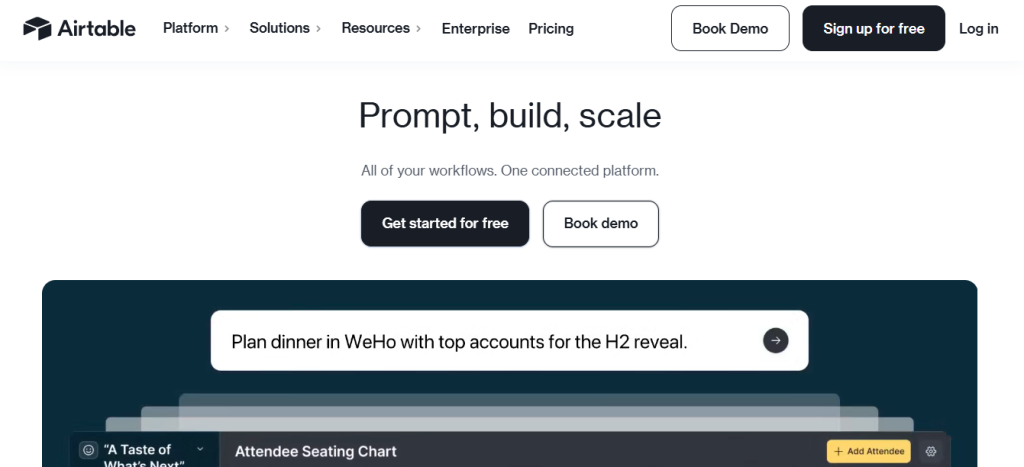
However, while Airtable excels in simplicity and accessibility, users should remain cautious as their projects expand. The platform’s API rate limits could pose challenges as scalability becomes a priority. Despite this caveat, Airtable remains a top choice among the best no-code database managers for its user-friendly approach and efficiency in handling data operations.
4. MongoDB Atlas (The Flexible Giant)
MongoDB Atlas stands out as a top choice among the best no-code database managers for scalable apps in 2026. As a “NoSQL” document database, it excels in storing data in flexible JSON-like structures, making it ideal for managing unstructured data. This feature is particularly advantageous for e-commerce platforms with varying product attributes, as traditional table structures often fall short in accommodating such dynamic data requirements.
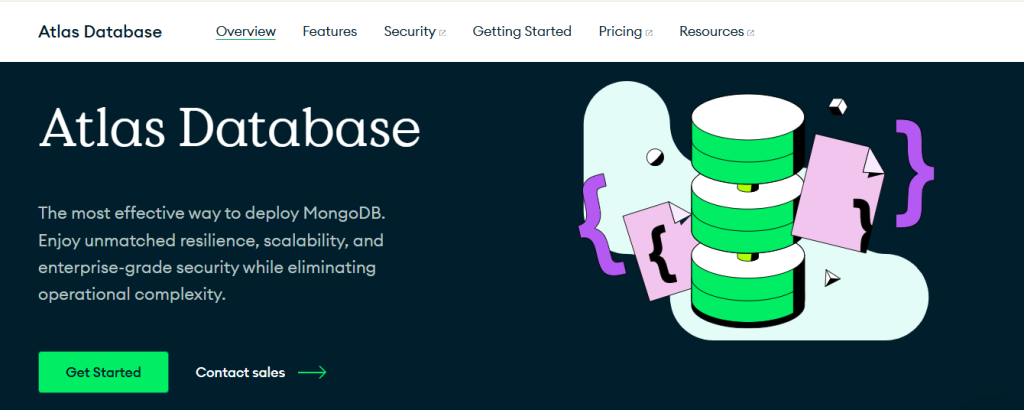
The flexibility of MongoDB Atlas makes it a smart option for rapidly evolving startups and catalog-heavy websites. By offering a solution that can adapt to changing data needs without the constraints of a rigid schema, MongoDB Atlas empowers businesses to scale efficiently and effectively. Its ability to handle diverse data types and structures positions it as a giant in the realm of database management for modern, dynamic applications.
5. Directus (The Data Wrapper)
Directus is an open-source data platform designed to simplify database management for tech teams. It acts as a data wrapper, seamlessly integrating with your existing SQL database. The standout feature of Directus is its intuitive No-Code GUI interface, enabling users to interact with raw data effortlessly. Moreover, it automatically generates REST and GraphQL APIs, saving time and effort in API development.
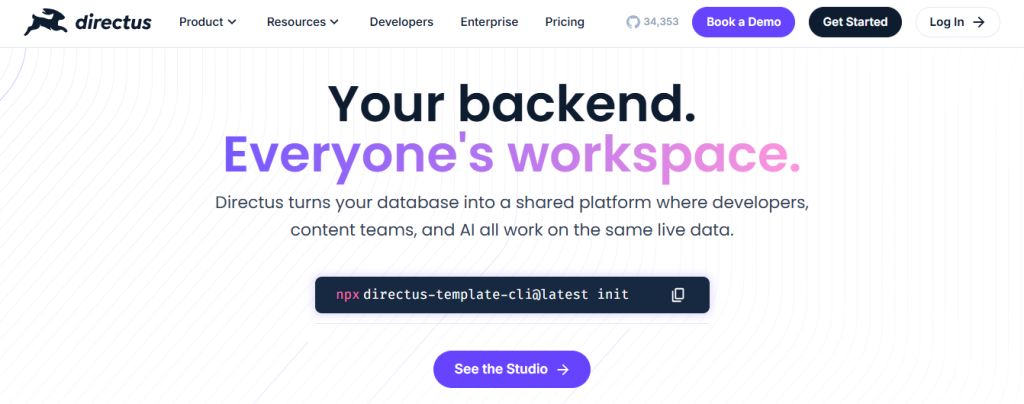
This tool is ideal for teams looking to streamline their infrastructure management without the hassle of manual database tasks. By offering a user-friendly solution that empowers users to take control of their data systems, Directus caters to those who prioritize efficiency and scalability in app development.
These database managers are perfect for creating and managing databases without the need for extensive coding knowledge, making them essential tools for app developers in 2026.
Comparison: Which “Brain” Does Your App Need?
When selecting the appropriate “brain” for your app, the focus should be on the best no-code database managers that offer scalability, efficiency, and ease of use. These database managers play a crucial role in ensuring that your app runs smoothly and can handle increasing loads of data without compromising performance.
| Feature | Xano | Supabase | Airtable | MongoDB | Directus |
| Logic Building | Visual Function Stacks | SQL / Edge Functions | Automations (Limited) | App Services | Visual Flows / Hooks |
| Performance | Extremely High | Elite (PostgreSQL) | Moderate | High (Scalable) | Native SQL Speed |
| Learning Curve | Medium | Medium-High | Very Low | High | Low-Medium |
| Best Asset | API-First logic | Real-time Sync | Ease of Use | Schema Flexibility | No Vendor Lock-in |
By evaluating the features, integrations, and user interface of different database managers, you can determine which one aligns best with the specific needs and goals of your application, ultimately setting a strong foundation for its success.
Conclusion: Build for the Future, Not Just for Today
When focusing on the future, it’s crucial to avoid creating data silos. Smart admins understand the importance of treating data as a portable asset rather than confining it within a single website’s database. By decoupling your database using the best no-code database managers, like Airtable for simplicity, Xano for logic, or Supabase for speed, you are setting up your app for scalability without the need for a total rebuild as user numbers grow.
Choosing the right player in the database management game is the smart move for long-term success. By embracing the concept of building for the future, not just for today, you are ensuring that your app can effortlessly handle over 100k users without sacrificing performance or flexibility. Embrace the power of forward-thinking database management to future-proof your app and unlock its full potential.
Frequently Asked Questions (FAQs)
Not anymore. Modern connectors and API-first platforms make integration straightforward. With tools like Make.com, Zapier, or native SDKs, syncing WordPress forms or custom post types with external databases such as Supabase or Airtable often takes under 10 minutes. This initial setup prevents hundreds of hours of migration headaches down the line.
On the contrary, offloading complex queries to specialized servers usually speeds up your site. By delegating data-intensive operations to platforms like Xano or Supabase, your WordPress layer focuses on rendering pages. This separation reduces server load, lowers response times, and provides a snappier user experience, especially under heavy traffic.
Absolutely. Many no-code database managers integrate seamlessly with WordPress via webhooks, REST APIs, or native connectors. You can continue using forms, SEO, and caching plugins on your site while routing data through Make.com or Zapier into your external database. This hybrid model keeps your site lightweight while leveraging enterprise-grade data management.